
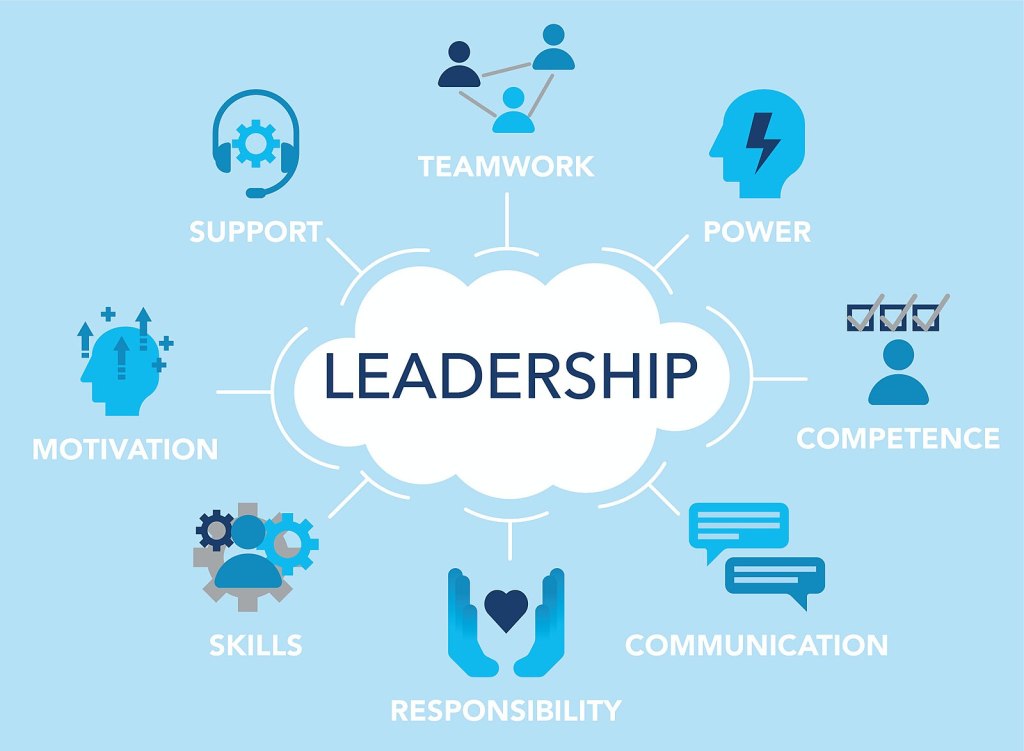
In a world that often praises external leadership — from CEOs to team leads, influencers to politicians — one form of leadership remains underrated but arguably the most crucial: self-leadership.
Self-leadership is the practice of intentionally influencing your own thinking, feeling, and behaviors to achieve your objectives. It’s not about controlling others; it’s about mastering yourself. And in a fast-paced, ever-changing world, this ability isn’t just nice to have — it’s essential.
What Is Self-Leadership?
At its core, self-leadership is about taking responsibility for your life. It’s the decision to be proactive rather than reactive, to steer your own ship even when the waters are rough. It means setting your own direction, managing your mindset, and holding yourself accountable.
This concept was first introduced in the 1980s by Charles C. Manz, but its roots go back to ancient philosophies, including Stoicism and Eastern practices that emphasize self-discipline and self-awareness.
Key Components of Self-Leadership:
- Self-Awareness
You can’t lead what you don’t understand. Self-leadership begins with knowing your values, strengths, weaknesses, habits, and triggers. It requires honest introspection and continuous learning about yourself. - Self-Motivation
Unlike traditional leadership, where motivation can come from a boss or mentor, self-leadership depends on intrinsic motivation. It’s about knowing your “why” and using it as fuel, even when external validation is missing. - Self-Discipline
Discipline bridges the gap between goals and results. It’s waking up early, saying no to distractions, and doing what needs to be done — especially when you don’t feel like it. - Self-Talk
The way you speak to yourself matters. Encouraging, constructive inner dialogue can build resilience, while negative self-talk can sabotage progress. Self-leaders curate their thoughts just as carefully as their calendars. - Personal Vision
Self-leadership is direction, not just discipline. You need a clear vision of who you want to become and where you want to go. Without it, you risk becoming efficient in the wrong direction.
Why Self-Leadership Matters
- Better Decision-Making: When you trust yourself, you make decisions with clarity and confidence.
- Increased Resilience: You don’t wait for someone to motivate you. You keep going — even when it’s tough.
- Enhanced Productivity: Self-leaders don’t rely on micromanagement. They get things done independently.
- Stronger Relationships: When you lead yourself well, others trust and respect you more — making collaboration smoother.
How to Practice Self-Leadership Daily
- Start each day with intention: Set 1–3 priorities each morning that align with your long-term goals.
- Create a personal mission statement: Know what you stand for and let it guide your decisions.
- Conduct a weekly self-review: Reflect on what went well, what didn’t, and what you learned.
- Set clear boundaries: Say no to distractions and yes to what truly matters.
- Develop a routine that supports your mental, emotional, and physical health.
Final Thoughts
Self-leadership isn’t a destination — it’s a lifelong practice. It doesn’t require a title, a team, or a stage. It starts where you are, with what you have, and grows every time you choose responsibility over excuses, action over procrastination, and growth over comfort.
If you want to lead others — in business, in community, or at home — start by leading yourself.
 Rainbow Lotus Brand Blog
Leave a comment